
Domestic plumbing · drains · heating
We find the actual fault, then fix it once.
Lucid Signal is a small plumbing workshop. One plumber takes your job from the first message to the final pressure test — no relay of subcontractors, no guessing, no opening walls we do not need to open.
Cover hours
Booked work runs weekday mornings and afternoons. Burst pipes, no water and uncontrolled leaks are answered outside those hours as emergency cover.
On the van
Drain rods and a 20m electric eel, inspection camera, press-fit and soldering kit, common trap, valve and cartridge sizes, plus a wet vacuum for the clean-up.
Confirming a slot
Every request gets a written reply with the window, the plumber's name and what we will check first. If we run late on the job before yours, you hear about it early.
Work we take
Eight lanes, honestly scoped
If your job is not on this list, say so in the request anyway — we would rather point you to the right trade than book a visit that cannot help.
-
Leaks and burst pipes
Tracing damp back to its source, isolating the run, replacing the failed section in copper or press-fit and testing before the panel goes back.
-
Blocked sinks and toilets
Trap strip-down, plunging and eel work. If the blockage sits past the boundary, we tell you that instead of billing a second hour.
-
Outside drains and gullies
Rodding, jetting and camera inspection of the run, with a short written note on what caused it — roots, fat, or a broken section.
-
Taps, valves and cartridges
Dripping mixers, seized isolating valves, failed ceramic cartridges and the stopcock that has not turned since the house was built.
-
Cylinders and pressure faults
Weak hot water, hammering pipework, discharging expansion vessels and thermostatic mixing valves that have drifted out of range.
-
Radiators and heating circuits
Cold-at-the-bottom radiators, balancing a whole circuit, valve swaps, and system flushing where sludge is the real cause.
-
Bathroom and kitchen fitting
First and second fix for a replacement suite or kitchen run: waste falls set properly, isolation on every appliance, silicone that lasts.
-
Pre-winter checks
An hour spent on lagging, stopcock function, outside tap isolation and system pressure — the cheapest visit we do, and the one that prevents the others.
How a callout runs
From your message to sign-off
Four steps, the same every time, so you know what is happening in your home and when it will end.
-
Step 01
You describe it
Send the request form with what you can see and hear. Photographs of the leak, the meter or the boiler display help more than a long description.
-
Step 02
We reply with a window
You get a written slot, the likely first checks, and an honest note if the job needs a part ordered before we come out.
-
Step 03
Diagnosis before parts
We test and isolate first, then talk you through what we found and what it will take. Nothing gets replaced before you have agreed to it.
-
Step 04
Repair, test, tidy
The fix is pressure-tested, the area is vacuumed and wiped down, and you get a written summary of the work and any parts used.
Before we arrive
Four things that save an hour
None of this is required. Each one, though, tends to shorten the visit and lower the amount of your home we need to disturb.
-
Find the stopcock Usually under the kitchen sink or near the front of the house. Turning it clockwise stops the mains. If it will not move, leave it and tell us.
-
Clear the access route Empty the cupboard under the sink, move anything fragile away from the airing cupboard, and unlock side gates if the job is an outside drain.
-
Stop using the fitting With a blocked waste, adding more water pushes the problem further along the run. Leave the sink, bath or toilet alone until we are there.
-
Note when it started A leak that began after cold weather, a new appliance or a pressure change tells us where to look first. Small timing details narrow the search quickly.
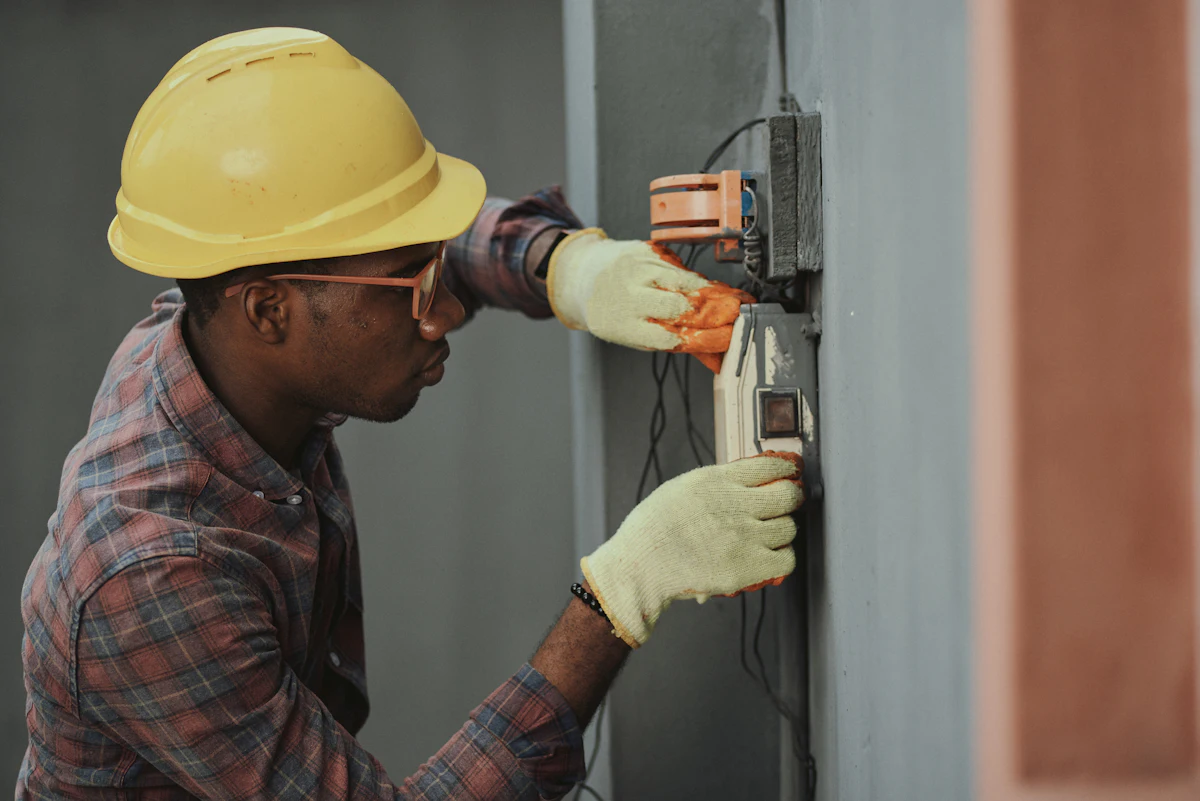
Most of the "mystery leaks" we get called to are not mysterious. A dripping joint two metres away has been running along a pipe and dropping through the ceiling at the only low point. Find the low point, follow the pipe uphill, and the fault is usually sitting in plain sight.
Visit types & windows
Pick the slot that fits the job
Choose a visit type in the request form. If you pick the wrong one, we will move you to the right one before confirming — it will not cost you the slot.
Emergency cover
Typical window
Same day, outside booked hours
What it includes
Making the property safe: isolating the supply, stopping the flow, a temporary repair and a written plan for the permanent fix.
Standard repair
Typical window
A weekday morning or afternoon
What it includes
Diagnosis, the repair itself, a pressure or flow test, and common parts carried on the van. Uncommon parts are ordered and fitted on a second short visit.
Drain clearance
Typical window
A weekday morning
What it includes
Rodding and eel work, a camera look down the cleared run, and a plain-language note on the cause so it does not repeat next season.
Survey & quote
Typical window
A weekday afternoon
What it includes
Measuring up for a bathroom, kitchen run or heating change, checking what the existing pipework can take, and an itemised written quote.
Pre-winter check
Typical window
Booked in autumn, morning slots
What it includes
Lagging exposed runs, freeing and testing the stopcock, isolating outside taps, checking system pressure and bleeding radiators.

Parts we do not compromise on
Isolating valves, cylinder controls and anything buried behind tile or plaster are fitted in recognised brands with available spares. Where a cheaper part is genuinely fine — an exposed trap, a visible flexible hose — we will say so rather than inflate the job. You always see the parts list before the work starts.
Every repair is left accessible where the building allows it, so the next person who opens that cupboard is not starting from scratch.
Questions
The ones we are asked most
Do I need to be home for the whole visit?
For a diagnosis we need you there at the start, so you can show us the fault and agree the work. After that, many people carry on with their day in another room. For a survey, staying nearby helps — most of the useful decisions come out of that conversation.
How long will the water be off?
A tap or valve change is usually fifteen to thirty minutes with the mains isolated. A pipe repair depends on how much has to be drained down. We tell you the expected time before turning anything off, and we will not start a drain-down late in the day if refilling would run past the visit.
What if the part needed is not on the van?
We make the situation safe, order the part the same day, and book a short return visit. You are charged for the work done, not for the waiting. Common traps, valves, cartridges and radiator fittings are carried as stock, so this is the exception rather than the rule.
Can you work in a rented property?
Yes, with the owner or managing agent's written approval for anything beyond making the property safe. Tenants can request an emergency visit directly — we will stop the leak first and sort the paperwork for the permanent repair afterwards.
Is the work guaranteed?
Labour on every repair is guaranteed for twelve months. Parts carry the manufacturer's own warranty, which we register and note on your written summary. If the same fault returns within the guarantee period, the return visit is not charged.
What counts as an emergency?
Water you cannot stop, no water at all, a leak reaching electrics, or a heating failure in a household with young children or someone unwell. A dripping tap, a slow drain or a cold single radiator is uncomfortable but safe — those get a proper booked slot instead, usually sooner than you would expect.
Request a visit
Tell us what it is doing
Six fields. You get a written reply with a window, the first checks we intend to make, and anything you should do before we arrive.
- No obligation, and no visit booked without your say-so.
- Water actively escaping? Mark it as emergency cover and isolate the stopcock if you safely can.
- Not sure which lane your job sits in? Describe it plainly and we will place it.